SWIM SAFELY
Become a Safer Swimmer
BE SAFE, BE SEEN
360swim™ Safety buoy is like a helmet for swimming. You shouldn't go swimming without it.
360swim™ Safety Buoy
- Stay visible
- Keep your valuables dry
- Take a rest
- Enjoy night swimming
- Track your swims
Improve your swimming with the 360swim Blog?
Here is a taste
Swimming is a wonderful sport which you can also enjoy to the fullest if you follow your swim level appropriate advice. Enter 360swim Blog.
Let go and enjoy being in the water
The more you play, the more you discover and learn
A great kick is a key to a successful swimming stroke
Some swim gear is good, others not so much. Learn the difference.
Swim butterfly with ease by breaking it down to pieces
Swimming backward is fun, but also teaches you balance
Most Popular Swim Tips
11 Ways To Enjoy Swimming In A Crowded Lane
It is one of those days. The swimming lane I am about to plunge into is overcrowded and even though it is marked with the clearly distinctive letters "FAST SWIMMERS", the lane is plagued with leisurely swimming head up breaststrokers and wannabe swimmers standing by the wall and discussing the lat...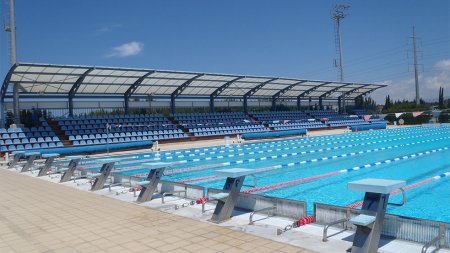
8 Ways To Use Your Hand Paddles
Hand paddles are commonly used in swimming pools around the world. In fact, you hardly ever see a pool deck or the infamous Lost and Found basket (yes, they do exist) without a pair of them laying around. They are either loved or hated. The main rudimentary idea behind the original hand padd...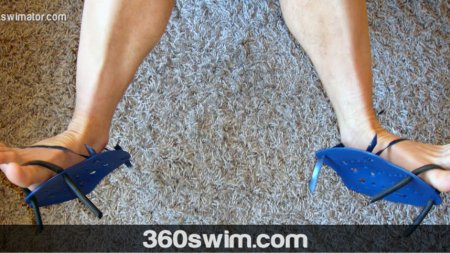
What Does Javelin Have In Common With Swimming? (Water Entry, Underwater Kick And Breakout During A Start)
This is the second post in the series of articles regarding what constitutes a great swimming start. If you have missed the first post, please click on the link below to get caught up and then come back. Let's recap what are the 5 key elements of a successful start from a starting block. 1) Fast...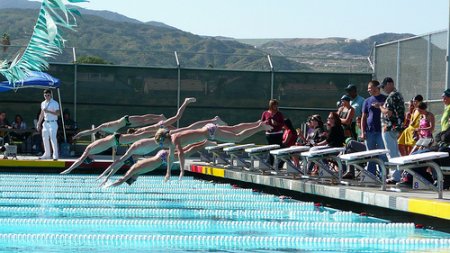
How Not To Swim Freestyle (Top 4 Freestyle Stroke Mistakes)
Let's check out how the freestyle stroke is NOT supposed to be done, for a change. In this post, I will examine a short video where you will see a front view of a freestyle swimmer who is swimming against the current in a small swim flume (endless pool). These endless swimming pools are quite ni...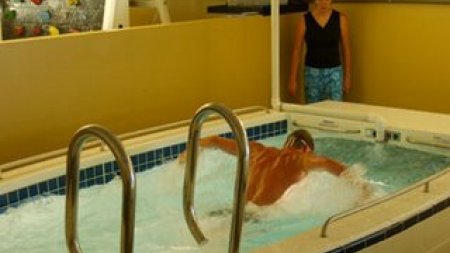
How To Improve Your Kicking? (Fun Kicking Drills)
In this post, I will discuss a few tips and tricks on how to improve your kick or how to make kicking more fun. Why would I bother you may ask? Well, having both effective and efficient kick is a must-have if you are serious about improving your swimming speed. In fact, without a good kick,...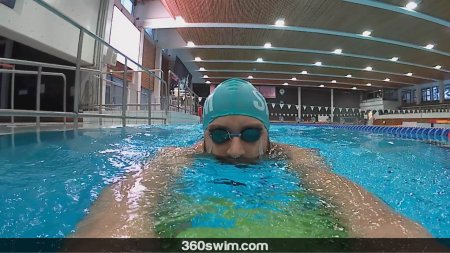
Learn To Control Your Breathing (Swim Sets To Improve Your Lung Capacity In Swimming)
It is no secret that a swimmer has one of the best lung capacities from all the athletes or at least should have. :) . Having to be accustomed to not be able to breathe whenever you want takes some time getting used to. Here are a few fun ways how you can improve your breath holding ability du...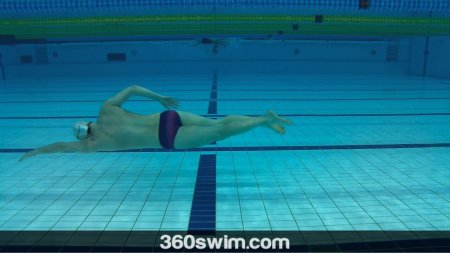
Triathletes! Focus On Swim Technique! (Should You Drop The Hand Paddles And Pullbuoys?)
Triathletes are no doubt in a group of the most versatile and toughest athletes out there. Combining three totally different sports into one good race is an art within itself. However, it comes as no surprise that with the increasing popularity of the triathlon sport, there is a lot of misguid...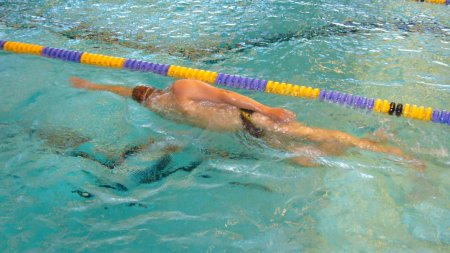
Should I Wear a Swim Cap? (How To Choose a Swim Cap?)
To answer the question if you should wear a swim cap, let's first think about why you are swimming and to what purpose would the cap be to you. So why do you swim? If you are out there stroking from one side of the pool to the other for fun or a wonderful exercise and you have short hair, buying...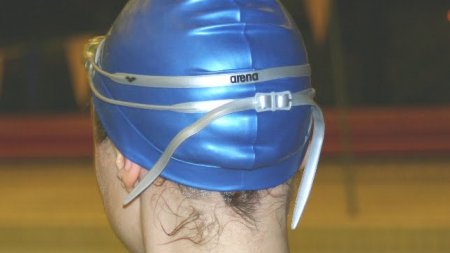
Sprint Breaststroke Workout (How To Improve Your Breaststroke Kick)
Many of you have asked me to give some breaststroke workout advice in your comments, so here it is. Below you will find a few tips for your breaststroke 50s and 100s and I am sure it could come handy for longer events as well. First, keep in mind that breaststroke is a combination of leg power...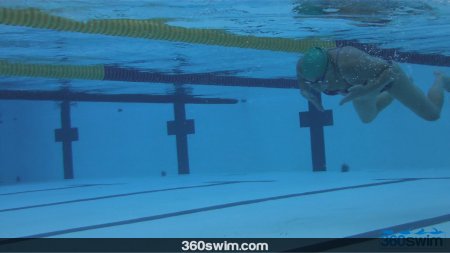
How To Choose Your Swimming Lessons? (Is There One Recipe For All?)
Choosing the right swimming lesson program is not as simple as signing up at your nearest swimming pool. Well, it could be, if you don't mind the potential of being disappointed. In order to get the most out of your swimming lessons experience, you should consider a few important aspects befor...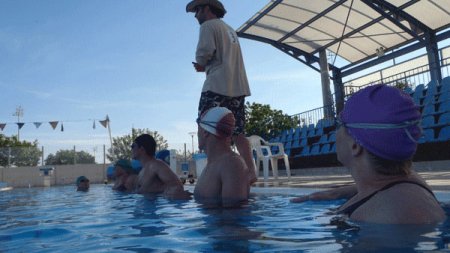
Newest Swimming Advice
The Viking Legacy - One goggle to rule them all
It was in the 1970s in a small village in Sweden that the swimming goggle industry changed forever. Jan Malmsten, an avid swimmer and entrepreneur, designed simplistic, sleek, and affordable swimming goggles that were adopted by the majority of elite swimmers around the world. These goggles, commo...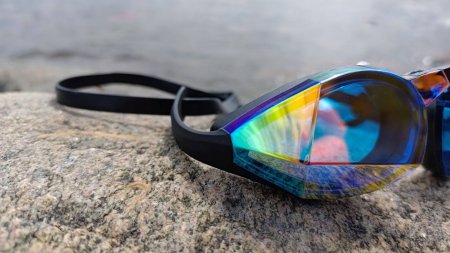
Airofit Review: How Stronger Breathing Makes You A Faster Swimmer
Final rating: 5/5 Breathing is as crucial to your life as water is to your swimming. You draw a breath thousands of times per day, yet how often do you actual stop and examine your vital breathing pattern. Similarly, when training, you more than likely tend to focus on endurance and muscu...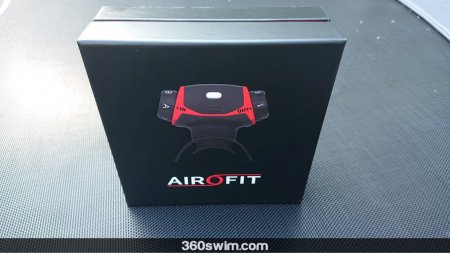
Last Minute Gift Ideas For Swimmers And Triathletes
With the busy schedule we all have, I often find myself not having much time to do an extensive research online to buy a thoughtful present, so I look for pre-compiled lists to give me an idea of what to give to the person in question. I know, I know, no excuses. I should do better, but procrasti...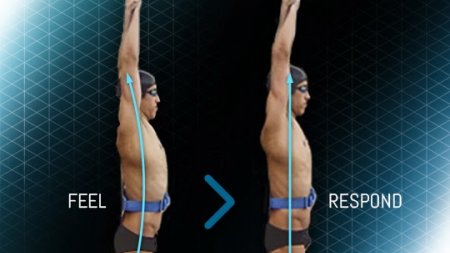
Xmetrics: A New Swimming Wearable Which Will Make You Swim Faster
"All you have to do is swim." That is a promising bold claim made by a technology company with a new swimming wearable gadget soon to be released to the swimming and triathlon communities. This new swimming computer goes under the name of Xmetrics and with its sleek design and a long list of fea...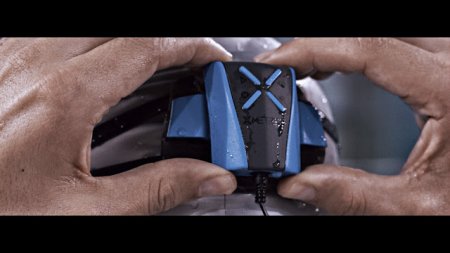
How To Become A Swimming Superhero - The Corsuit Review
It is a well-known fact that every superhero has to have a special suit, a cape or a mask to be taken seriously. Right? At the same time, he or she has to have a certain set of extraordinary skills that often are enhanced by their attire. Think Batman and his winged cape or his belt which never...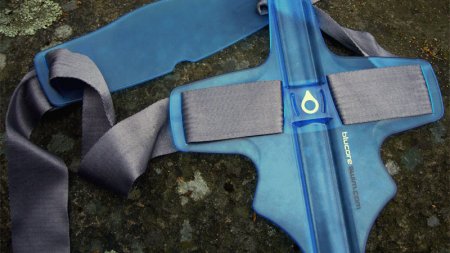
11 Ways To Enjoy Swimming In A Crowded Lane
It is one of those days. The swimming lane I am about to plunge into is overcrowded and even though it is marked with the clearly distinctive letters "FAST SWIMMERS", the lane is plagued with leisurely swimming head up breaststrokers and wannabe swimmers standing by the wall and discussing the lat...
A Surprising Result Of Swimming Flaws Analysis
One of the basic skills of any beginner student of any activity is the ability to recognize if something is not done the right way. Be it the ability to notice spelling mistakes in written texts (I am sure there many in my posts :)), the know-how to acknowledge that a ski jumper’s form during the...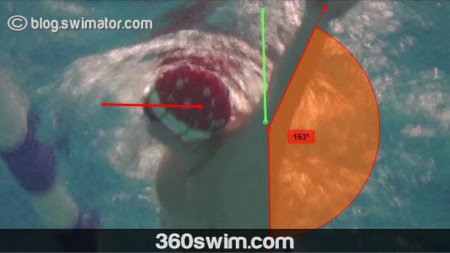
8 Ways To Use Your Hand Paddles
Hand paddles are commonly used in swimming pools around the world. In fact, you hardly ever see a pool deck or the infamous Lost and Found basket (yes, they do exist) without a pair of them laying around. They are either loved or hated. The main rudimentary idea behind the original hand padd...
How To Do Back To Breast Turns (Open vs. Bucket vs. Cross-Over)
In the individual medley races, there are a lot of transitions between strokes: fly to back, back to breast, breast to free where each swimmer could either gain or lose time on the opponents. Usually, the most complex turn is the one from backstroke to breaststroke. In the history of swimming,...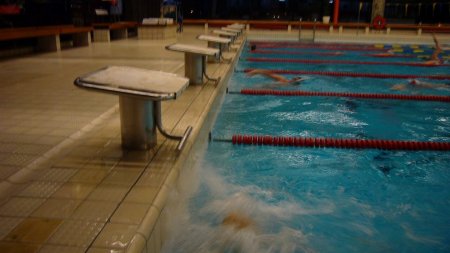
Aquaviz Review: The Swiss Army Knife Among Swimming Prescription Masks
Final rating: 5/5 I’ve grown up as a full-blown chlorinated pool swimmer with lifelong search for the perfect fitting goggles. I swear, I must have tried like 50 different types and always found them inadequate. Either they leaked or the suction was too much on the eyes until I found the...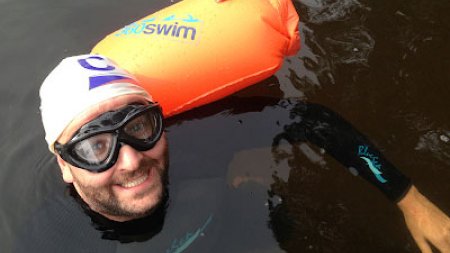
Swimming Gear Reviews
How To Become A Swimming Superhero - The Corsuit Review
It is a well-known fact that every superhero has to have a special suit, a cape or a mask to be taken seriously. Right? At the same time, he or she has to have a certain set of extraordinary skills that often are enhanced by their attire. Think Batman and his winged cape or his belt which never...
The Viking Legacy - One goggle to rule them all
It was in the 1970s in a small village in Sweden that the swimming goggle industry changed forever. Jan Malmsten, an avid swimmer and entrepreneur, designed simplistic, sleek, and affordable swimming goggles that were adopted by the majority of elite swimmers around the world. These goggles, commo...
What's Your Swim Type? (Custom Tailored Swim Classes)
The guys over at SwimSmooth have done it again. After introducing us to the Wetronome (tech gadget to help you with your stroke rate)and Mr. Smooth (an application to show you how swimming is done from all angle at all speeds), SwimSmooth has now produced SwimTypes.com. SwimSmooth's swim...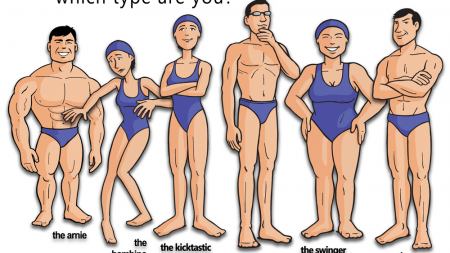
Antipaddle Review: Are We Born With Feeling For Water Or Is It Learned? (Gain Better Catch In Just A Few Workouts)
Final rating: 4.75/5 If you have taken a few swim lessons or you have been around swimming for a while, you have probably heard the term "feeling for water". Many swimmers and instructors put emphasis on gaining feeling for water, but when it comes to explaining what it is and how it feels...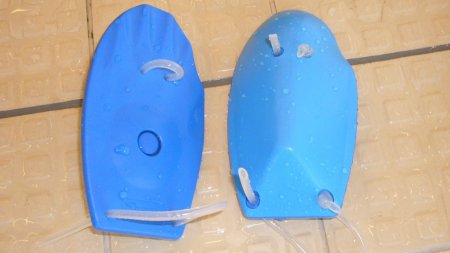
TechPaddle Review: Forearm Braces For Better Propulsion (Early Vertical Forearm Trainer)
Final rating: 4.5/5 Getting more propulsion during a swim is a huge problem for many swimmers and even more advanced individuals shouldn't stop exploring their stroke for potential improvement in propulsion. You should never stop improving your stroke, no matter how good a swimmer you are. ...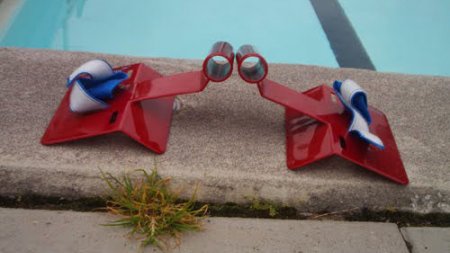
Want To Swim Smooth? Check Out Mr. Smooth - The Perfect Swimming Mentor
Have you ever thought to yourself I can't seem to grasp the way my arm should move under water when I swim how should my legs move when I swim freestyle I wish there was a way to see someone swim slow motion I'd like to see how it looks from a different angle in order to understand. ...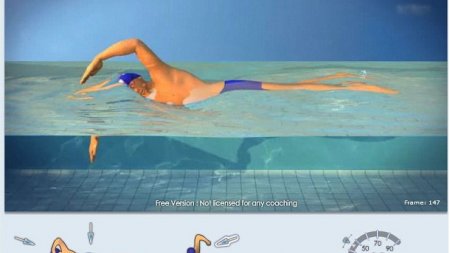
shinfin(TM) Leg Fins Review: No More Sinking Legs During Your Swim. (Fins For Your Legs, Freedom For Your Feet)
Final rating: 4.5/5 I have already discussed proper body position while swimming freestyle and the drag forces that act upon your body on numerous occasions on this blog. However, the reality of it is that it is very easy to say, "swim relaxed with good body position", but a bit more diffi...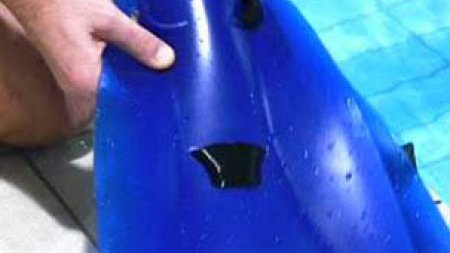
Swim Products That Will Make You A Better Swimmer
Today, I have three pieces of swim equipment that I promise will help you improve your technique. You can achieve the elusive smooth stroke we all long for, however, sometimes you just need a little bit of help along the way. I find these swim products quite helpful, so wanted to share them wit...